
My Naked Mind
How writing down your story can transform your life.

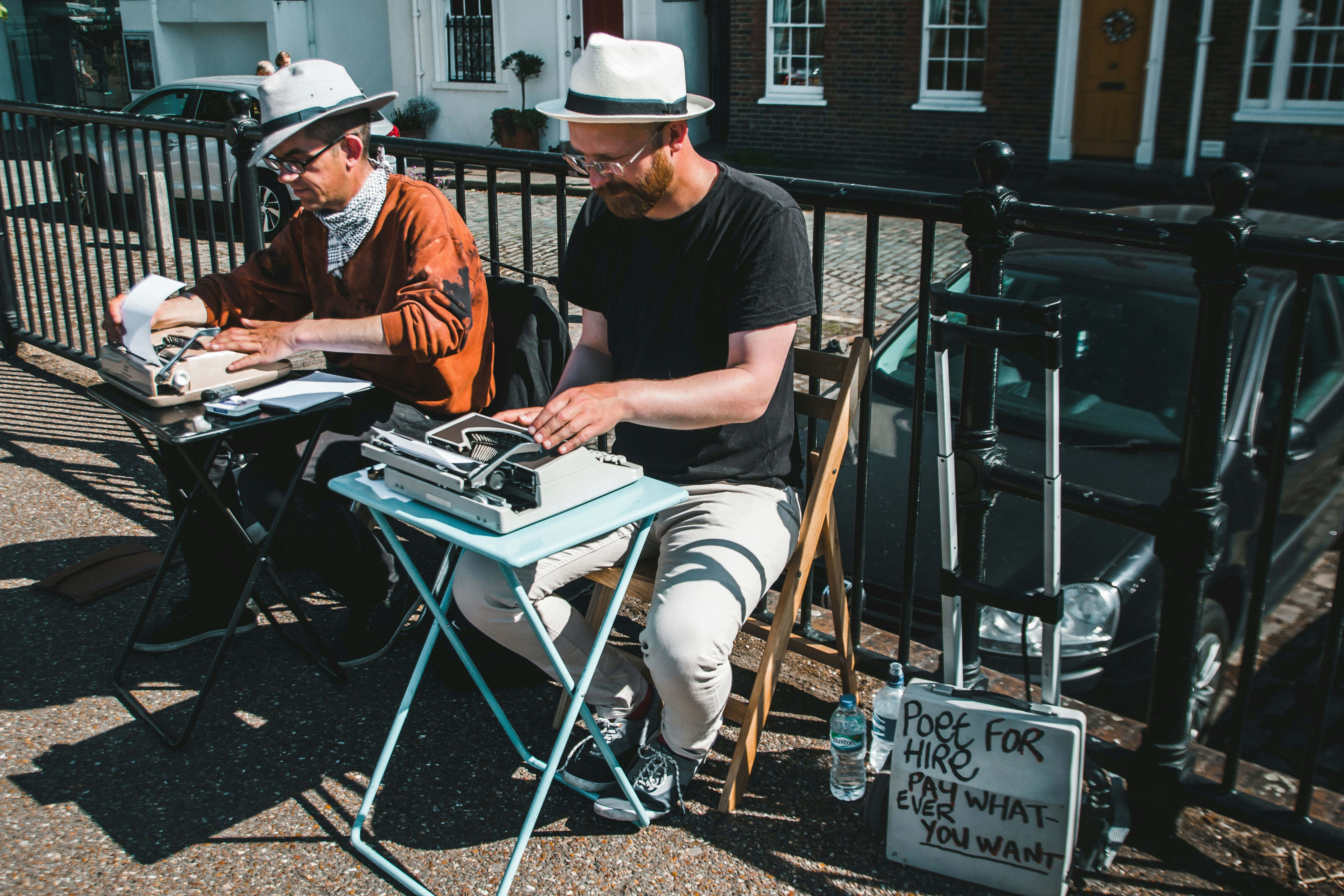
One of my readers, who’s also a writer, emailed me today while I was sitting at my desk, staring into space, wondering what I was going to write next. He wanted to know how I approach my craft and have a conversation about writing.
So I decided to answer him, and it became this essay.
I began writing publicly at 75. Before that, I had written brochures and other marketing materials for Hewlett-Packard and other companies. I learned to put sentences together and how to express Hewlett-Packard’s point of view. That was the extent of my writing before I began writing online six years ago.
I don’t normally write about writing. I’m a beginner, still finding my way, and I’m not ready to teach anyone about the craft of writing. But in my six years at the laptop, I have learned how writing is transforming me. Writing is teaching me who I am, what I think about the world, and my place in it. Writing brings me into the present tense, more in touch with my body, which is always in the present.
Writing about my life has forced me to own up and take responsibility for my life in ways I wasn’t doing before writing. I hope this is useful for you and will motivate you to write down your life and discover more about who you are.
What I Don’t Write
I love to talk about writing, and I can only approach it from the type of writing I do. Let me start by saying what I don’t write. I don’t write journalism, or the type of writing that is backed up by experts, scientific studies, or the news. I’m just not good at that kind of writing, plus I don’t find it interesting to write like that, although I love to read it.
I don’t write fiction.
I don’t write poetry — yet.
Whenever I read an article based on a new scientific study about, say, what foods older people should eat to be healthy, I find myself arguing with it because scientists try to isolate the particular food they’re studying, and life isn’t like that.
You can’t isolate anything in the health space; everything’s connected, so it’s hard to say that one food is really having a big impact. It’s what you eat over the weeks, months, and years that’s important — A balanced diet, not what you eat on any given day. It’s not only what you eat, but it’s also where you eat it, how you eat it, and who you eat it with.
An Old Guy with A Laptop
Basically, I write about old age and mindfulness from the first-person point of view of an old guy with a laptop. My favorite kind of article has no citations or references to scientific studies, or at least very few. Basically, I choose a topic and write about it from my subjective point of view. Like, “The Truth About Being 80 That Few People Know.”
I write articles with a four-to-eight-minute read time. I wish I could write 18-minute reads, but I’m not yet skilled enough to do that and keep the reader from clicking away or falling asleep.
I recall a quote from Blaise Pascal: “I have made this [letter] longer than usual because I have not had time to make it shorter.” People have amazingly short attention spans, so I keep to short formats. I’m amazed by people like Murakami who write 800-page novels — that sell.
Here are the main things I try to do in my writing.
I try to be vulnerable and authentic. That’s what people reading on Substack and Medium want to read. They don’t want to read someone posturing and pontificating while revealing nothing about themselves. They want me to be real. It has taken me three-to-five years to develop my writer’s voice. If you write long enough, your writer’s voice will surface. It’s exciting for me to see that happening.
I stick to a very small niche: ageing and mindfulness, written from my personal experience. I consider myself an expert at meditation, and of course at 81, an expert at being old. I stick to my knitting. And size matters — I believe the smaller your niche, the easier it is to produce quality writing.
I write as I talk, as if I were having a pint with you and holding forth on something about which I’m passionate, like what is consciousness? Or how your thoughts affect how you experience old age.
You cannot separate the mind from the body. They interact in ways we cannot fully explain. That’s what fascinates me, and I like to speculate and add my five cents about it in my writing.
I write about the mind and how it affects our lives.
If You Want to Write, You’ve Got To Read
I read a lot on Substack and Medium. And my mentors come mainly from the world of fiction. One of my biggest influences is Haruki Murakami. I have read everything he’s written. And I am currently reading “Vigil” by George Sanders. I‘m enjoying that book.
I love playing with simile and metaphor. In Murakami’s work, almost every paragraph contains a metaphor or simile. Writing is more than presenting facts and opinions. I like to bring the element of surprise into my sentences. As I’m writing this, I realize I could use more metaphors in my writing — because I believe our lives are metaphors for something — and I want to find out what.
I just realized that, strangely, my writing is also greatly influenced by watching talking heads on MS NOW and various YouTube shows like “Inside Trump’s Head,” with Michael Wolff and Joanna Coles. And Pivot, with Scott Galloway and Kara Swisher. I love to watch articulate people winging it live on the screen. I learn a lot about how to express myself from them.
My Naked Mind
Finally, I love the process of writing. Today, I was frustrated because I couldn’t think of anything I wanted to write about, until a random guy asked me a question about writing, and I was off to the races. But it took six years of practice to get to a place where I could do that.
It wasn’t always like that. Seven years ago, I wanted to write, but was afraid of exposing my naked mind in public. It took me a year to gather my nerve and say publicly what was on my mind.
That fear was more than just a fear of writing. It was a fear of living fully, of taking my place at the podium of life and saying my piece. And I was afraid of death. Getting over my fear of writing has changed my life significantly. It has made me a braver and more intelligent person.
Someone said, I write in order to learn what I think.
Wise person.
Gary
March 2025
'I write to learn what I think.' Interesting. I think I write to try to access my subconscious mind; to try to clarify my thoughts and emotions and figure out where or why I might be a bit stuck. I like what you've said about vulnerability in your writing and the fact that readers are looking for that. I struggle with being vulnerable in writing, I think at least in part because I spent YEARS as a social worker trying to maintain good boundaries with clients and staying AWAY from my own issues and feelings. That was appropriate and professional in that role, but it hinders me some now as I try to parse out what's okay to share with the reader.
From author Flannery O'Connor: "I write because I don't know what I think until I read what I say."